
Let’s be honest. Marketing a niche platform—whether it’s for vintage typewriter enthusiasts, sustainable beekeepers, or hyper-local fantasy football leagues—feels different. It is different. You can’t just blast generic ads and hope for the best. The usual playbook falls flat.
Here’s the deal: in a niche, your audience isn’t just a demographic. They’re a congregation. They share a specific passion, a unique language, a set of inside jokes. Your marketing, then, can’t be a megaphone. It has to be a handshake, a conversation at a clubhouse door. It has to be community-first.
Why “Community-First” Isn’t Just a Buzzword for Niches
Think about it. A massive social network is like a sprawling, noisy city. People are there, sure, but they’re often anonymous, disconnected. A niche platform is more like a beloved neighborhood coffee shop. Regulars know each other. They have their usual orders. The barista remembers their name.
Your marketing strategy needs to build that coffee shop vibe from day one. This means flipping the script. Instead of “build a product, acquire users, then foster community,” you start with the community. You listen to their nuanced pain points—the things they can’t find a good forum for, the specific tools they’re rigging together themselves. Your platform then becomes the answer to a conversation that’s already happening.
It’s about trust density. In a small, focused group, trust is your primary currency. One misstep, one tone-deaf ad, and you’ve broken that trust. But get it right? You create advocates who will defend your platform, invite their friends, and provide the very content that makes it valuable.
The Pillars of a Community-First Approach
1. Listen Before You Launch (And Never Stop)
Forget assumptions. Your first job is ethnographic. Dive into the existing watering holes: subreddits, Discord servers, forgotten forums, Instagram hashtags. Don’t post. Just listen. What are they complaining about? What solutions are they celebrating? What language do they use?
This isn’t a one-time research phase. It’s an ongoing commitment. It’s how you’ll spot emerging trends in your niche market before anyone else. You’re not just gathering data; you’re learning the rhythm of the community’s speech.
2. Empower, Don’t Just Promote
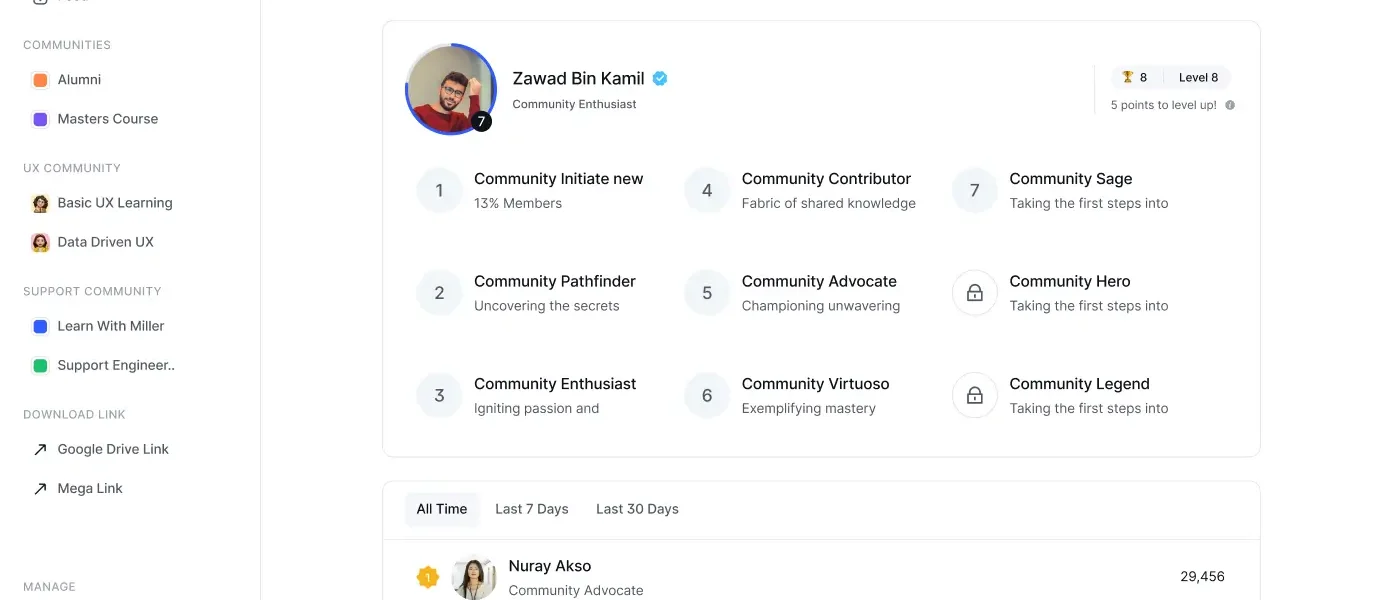
Your most powerful marketing assets aren’t your ads. They’re your users. A community-first strategy identifies and elevates superusers, true fans, and knowledgeable contributors. Feature them. Interview them. Give them early access or a platform to host a virtual meetup.
This does two things. First, it provides authentic social proof—way more convincing than any testimonial you could write. Second, it reinforces that the platform is theirs. You’re just the steward. When people feel ownership, they invest. They stick around.
3. Create Shared Value, Not Just Content
Content marketing for a niche? Sure, it’s essential. But it can’t feel corporate. It must feel like a contribution to the collective knowledge base. Think detailed guides that solve a very specific problem, user-generated showcase galleries, or AMA (Ask Me Anything) sessions with a respected figure in the niche.
The goal is to create resources so valuable that they’re bookmarked, shared in other communities, and cited as authoritative. You become the de facto library for your niche. That’s a powerful, organic growth engine.
Tactics That Actually Work for Niche Platform Growth
Okay, so principles are great. But what do you actually do? Let’s get tactical.
Micro-Influencer & Ambassador Programs
Forget celebrity endorsements. In a niche, an influencer might have only 5,000 followers—but if 4,900 of them are deeply engaged in your exact topic, that’s gold. Look for the passionate creators, the meticulous reviewers, the helpful troubleshooters in your space. Partner with them authentically. Give them a real role, not just a promo code.
Host Exclusive, Value-Driven Events
Virtual workshops, roundtable discussions, or even collaborative challenges. The key is exclusivity and depth. A webinar on “Introduction to SEO” is too broad. A workshop on “SEO for Etsy Sellers of Handmade Ceramics” is niche magic. It draws the right people and immediately fosters deep connection.
Leverage Collaborative Features
Your platform’s design should encourage collaboration. Think shared projects, member spotlights, peer review systems, or co-created resources. When users create something together on your platform, they form bonds there. They become less likely to leave. This is the core of a sustainable community engagement strategy.
Measuring What Truly Matters
Vanity metrics will lie to you. A spike in downloads from a broad campaign means nothing if those users churn in a day. For niche, community-first marketing, you need to track the heartbeat of the community.
| Metric to Watch | What It Tells You |
| Active Daily/Weekly Users (not just sign-ups) | Real, sticky engagement. |
| User-Generated Content (UGC) Volume | Is the community creating the value? |
| Net Promoter Score (NPS) or Simple “How likely are you to recommend us?” | That all-important trust and advocacy. |
| Feature Adoption by Superusers | Are your most valuable members using & loving new tools? |
| Community Health (sentiment, conflict resolution) | The qualitative feel of the space. |
See, it’s less about the top of the funnel and more about the depth of the well. Are people drinking the water? Are they telling others about it? Are they helping to keep it clean?
The Inevitable Challenges (And How to Lean Into Them)
It’s not all cozy campfires. Community management is messy. You’ll have disagreements. Cliques might form. Growth can feel agonizingly slow compared to viral consumer apps. But these challenges are also opportunities.
That slow growth? It lets you scale culture intentionally. A heated debate? It’s a chance to model transparent, respectful moderation and show your community you care about its health, not just its size. Frankly, the friction is what makes it real. A perfectly polite, silent platform is a dead one.
Your marketing, in the end, becomes the story of the community itself. It’s the highlight reel of user successes. The case study of a problem solved together. The narrative of a shared identity forming.
So, if you’re building in a niche, take a deep breath. Put away the giant ad budget spreadsheet for a second. Go find your first ten true fans. Listen to them. Build with them. Market through them. That’s how you build something that doesn’t just attract users, but creates citizens.