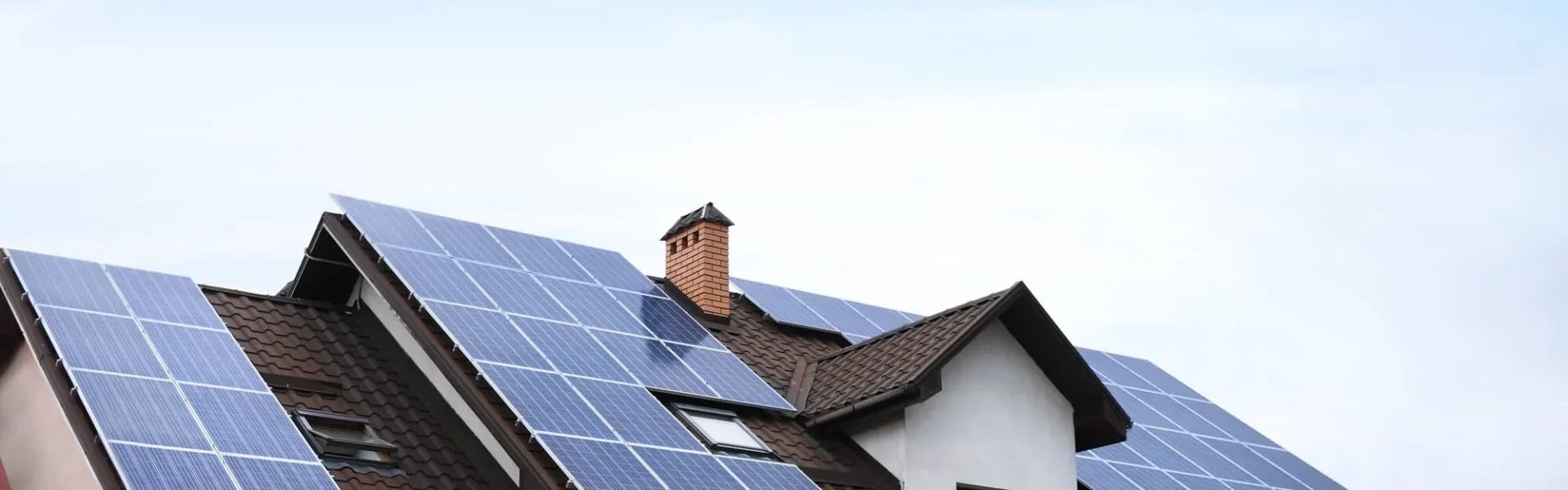
Sustainable Energy and EV Tax Credit Optimization: A Homeowner’s Guide to the New Incentives

Let’s be honest. The idea of powering your home with the sun and your car with electrons is incredibly appealing. It feels like the future, right? But for most of us, the upfront cost has been… well, a massive hurdle. A beautiful, shiny, expensive hurdle.
Here’s the deal: the financial landscape has shifted. With the Inflation Reduction Act, the government isn’t just offering a gentle nudge toward sustainable energy—it’s providing a substantial, multi-year push. The trick is knowing how to navigate it. Because honestly, these new EV and clean energy tax credits are a bit of a maze. A lucrative maze, but a maze nonetheless.
Understanding the New Tax Credit Terrain
Gone are the simple phase-out limits of old. The new rules are more inclusive and, in many ways, more complex. They’re not just about the product you buy; they’re also about where it’s made and, for EVs, how much you earn. It’s a holistic policy, aiming to boost domestic manufacturing and make clean tech accessible.
Think of it like this: earlier incentives were a generic coupon. These new credits are a tailored financial strategy, with strings attached that are actually pretty good for the country’s economy. You just need to understand the tailoring process.
Residential Clean Energy Credit (The Homeowner’s Hero)
This is the big one for your house. Previously called the Investment Tax Credit (ITC), it’s been supercharged and extended. You can now claim 30% of the cost of eligible systems, and that rate is locked in until 2032. It covers a lot:
- Solar Panels: The classic. Covers equipment and installation.
- Solar Battery Storage (like a Tesla Powerwall): This is huge. Even if the battery isn’t charged by solar, you can get the credit. It’s a game-changer for backup power.
- Heat Pumps (for heating and cooling): Incredibly efficient systems that are perfect for this credit.
- Heat Pump Water Heaters: Ditch the old gas or electric resistive heater.
- Small Wind Turbines, Geothermal, and Biomass Fuel Property: The whole sustainable suite.
And there’s no annual or lifetime dollar cap. Install a $25,000 solar system? That’s a $7,500 credit on your taxes. It’s a direct reduction of what you owe, dollar for dollar.
The EV Tax Credit: A More Nuanced Beast
This is where things get detailed. The new Clean Vehicle Credit (up to $7,500) has two big, new requirements that you absolutely must check before you fall in love with a car.
- Final Assembly in North America: This is the first gate. The vehicle must be assembled here. Manufacturers’ websites and the U.S. Department of Energy’s tool can verify this.
- Critical Mineral & Battery Component Rules: The full $7,500 credit is split into two $3,750 halves. One depends on the percentage of critical minerals sourced from the U.S. or a free-trade partner. The other depends on the battery components being made or assembled in North America. A car might qualify for one, both, or none of these halves.
- Income Caps: Your Modified Adjusted Gross Income (MAGI) must be under certain limits ($300k for married couples, $225k for heads of household, $150k for singles).
- MSRP Caps: Vans, SUVs, and trucks must have an MSRP under $80,000; sedans and others under $55,000.
| Credit Type | Max Value | Key Thing to Remember |
| Residential Clean Energy | 30% of cost | No income limits. Covers batteries separately from solar. |
| Clean Vehicle (EV) | Up to $7,500 | Check assembly, MSRP, and your income first. Rules are fluid. |
The Art of Optimization: Stacking Your Benefits
Okay, so you understand the pieces. Now, let’s talk strategy. This is where you move from getting a credit to crafting a genuine, long-term energy plan. The real magic happens when you think of your home and car as one integrated system.
1. The Order of Operations Matters
If you’re considering both a home energy upgrade and an EV, think sequence. Installing solar first can be a masterstroke. Why? Because you can then use your own cheap, clean solar power to fuel your car. You’re basically turning your roof into a personal gas station that’s immune to price spikes. Then, you claim the 30% credit on that system.
Later, when you buy the EV, you get that credit too. It’s a one-two punch for your finances and your carbon footprint.
2. Don’t Overlook the Battery
That 30% credit for battery storage is a silent superstar. Sure, it provides backup during a blackout—a huge value itself. But it also lets you store excess solar energy generated during the day to use at night, or even to charge your EV after dark. This maximizes your self-consumption and minimizes what you pull from the grid. It turns your home into a resilient, self-sufficient hub.
3. The “Point-of-Sale” EV Credit Change
Starting in 2024, a major shift happened. You can now choose to transfer your EV tax credit to the dealer at the point of sale. This means the discount comes right off the purchase price. You don’t need to wait for tax season. This is a game-changer for folks whose tax liability might be less than the full credit amount in a given year.
Just… make sure you qualify on all fronts before you head to the dealership. The onus is on you to confirm the income and eligibility rules.
Common Pitfalls and How to Sidestep Them
It’s not all smooth sailing. A few bumps can trip you up.
- Timing Your Installation: The home upgrades must be “placed in service” during the tax year. Don’t pay a huge deposit in December for an install that happens in January—you’ll miss the credit for the entire year.
- EV Eligibility is a Moving Target: The list of qualifying vehicles changes as manufacturers adjust supply chains. A model that qualifies today might not next quarter if they switch a battery supplier. Always, always verify the current status for the specific VIN you’re buying.
- Keeping Impeccable Records: Save all receipts, manufacturer certification statements (for EVs), and installation contracts. If the IRS has questions, you’ll need this paper trail.
- State and Local Incentives: Honestly, this is where people leave money on the table. Check for additional rebates, property tax exemptions, or even discounted charging rates from your utility. Stack these on top of the federal credits for maximum benefit.
The Bigger Picture: More Than Just a Tax Break
When you step back, optimizing these credits isn’t just a personal finance hack. It’s a way to actively participate in the energy transition—and get paid to do it. You’re reducing your long-term operating costs (goodbye, volatile utility and gas bills), increasing your home’s resilience, and frankly, investing in domestic energy independence.
The incentives are designed to make the sustainable choice the economically rational one. They lower the barrier to entry, allowing more homeowners to lock in decades of predictable, clean energy costs. That’s a powerful form of future-proofing.
So, while the forms and rules might seem tedious, the underlying story is pretty simple. For the next decade, the opportunity is on the table. It’s a chance to build a home that doesn’t just shelter you, but actively works for you—and maybe even powers your journey down the road.